Partnered and Interdisciplinary Learning
Explore our four theme areas to encourage partnered and interdisciplinary learning.
Learning isn’t just limited to what happens in the classroom. By learning through experience, students engage with challenges that promote collaboration while developing necessary skills for making an impact both locally and globally. From co-ops and internships to independent studies, research, and community-based activities, experience-based learning can take so many forms. Students often leave these experiences with specialized knowledge, new ways of collaborating, deeper connections to their community and a desire to put their learning into practice.
Objective
- Conceptually define “experienced-based learning” for McMaster.
- Enhance and expand experienced-based learning locally and globally, and provide different approaches to teaching and learning that are focused on skills development, application and reflection.
- Identify land-based educational opportunities for Indigenous learners.
Knowledge comes in so many forms beyond traditional academic texts and exercises. We must recognize that critical knowledge and creativity stems from each student and instructor’s unique identity, background and perspective, and respect diverse and expansive ways of knowing. We are committed to creating inclusive space for these perspectives. Doing so will support student success and retention, and ultimately foster a strong sense of community at McMaster.
Objectives
- Implement initiatives that respond to the intersection of equity, diversity and inclusion and teaching and learning strategies.
- Evaluate opportunities for Indigenous self-determination in teaching and learning to be acknowledged.
- Develop strategies to ensure diverse perspectives and expansive ways of knowing are respected and valued.
Learning across disciplines helps students problem-solve beyond traditional categories of learning and prepares them with skills for life. By creating opportunities for instructors to collaborate in teaching and by practicing flexibility, we can make interdisciplinary teaching and learning more accessible to instructors and students.
Objectives
- Identify and remove structural barriers (policies, processes, practices) to enable interdisciplinary learning across the university.
- Enable, support, recognize and reward interdisciplinary teaching and learning.
- Develop pan-university models for teaching numeracy and literacy skill development across disciplines.
Engagement comes naturally when students drive their own learning through curiosity and excitement. To encourage this, we must continue to reimagine how we teach and give students the tools they need to decide their own unique learning path.
Objective
- Design, implement and evaluate structures that enable students to be active partners in the learning process engaged through peer support, mentorship, teaching, research, and community learning.
Resources

McMaster Office of Community Engagement Learn More
Office of Community Engagement staff are partnership brokers. With a wide range of expertise, they are a resource for the development of community-campus partnerships in Hamilton.
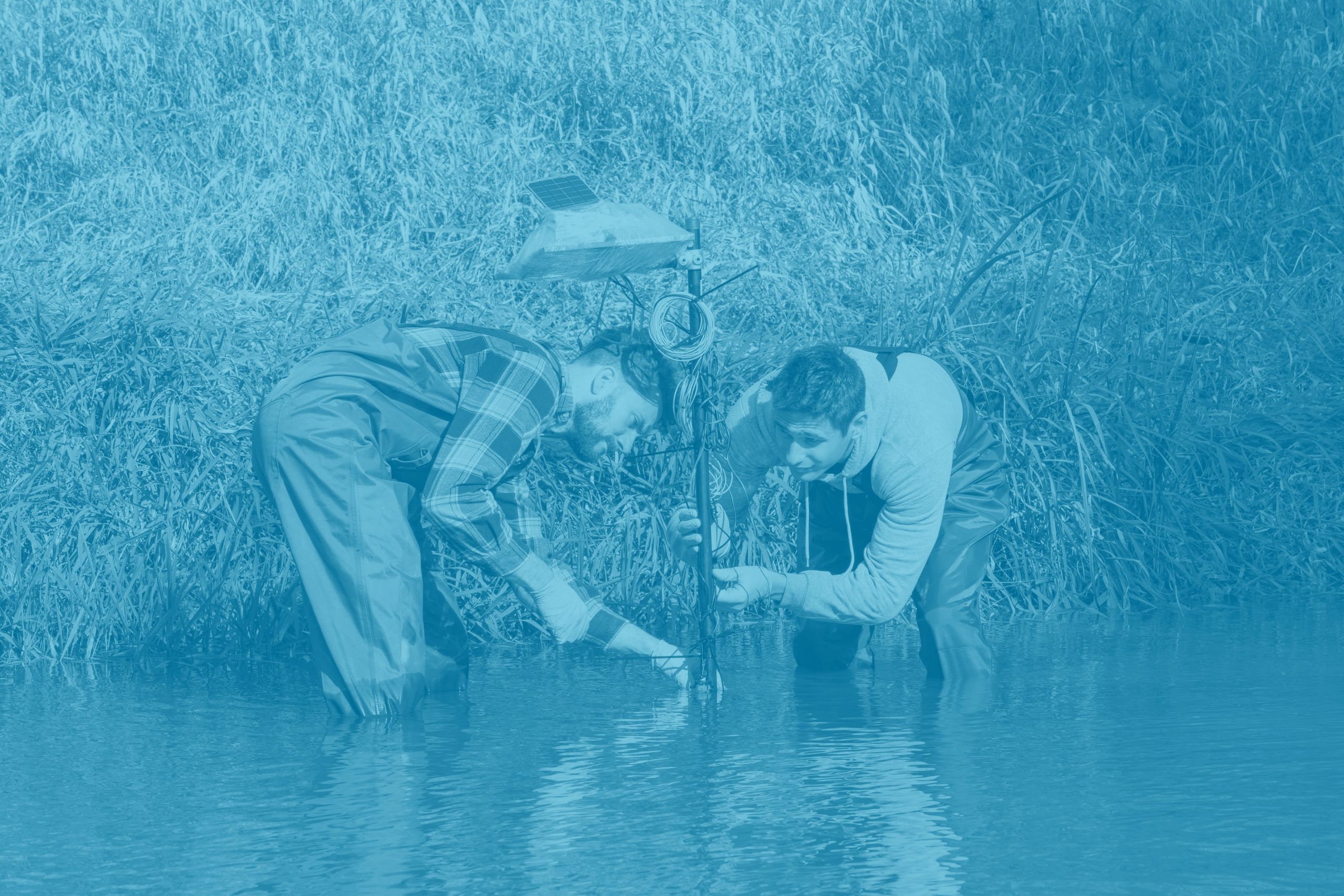
Community-Engaged Education Guidebook Open PDF
This manual in intended to provide faculty members with the tools they need to develop or refine community-engaged elements in their courses. While experiential and community-engaged education are being taken up in universities across the country, McMaster, as always, will develop its own unique approach. This manual is intended to help with this process.
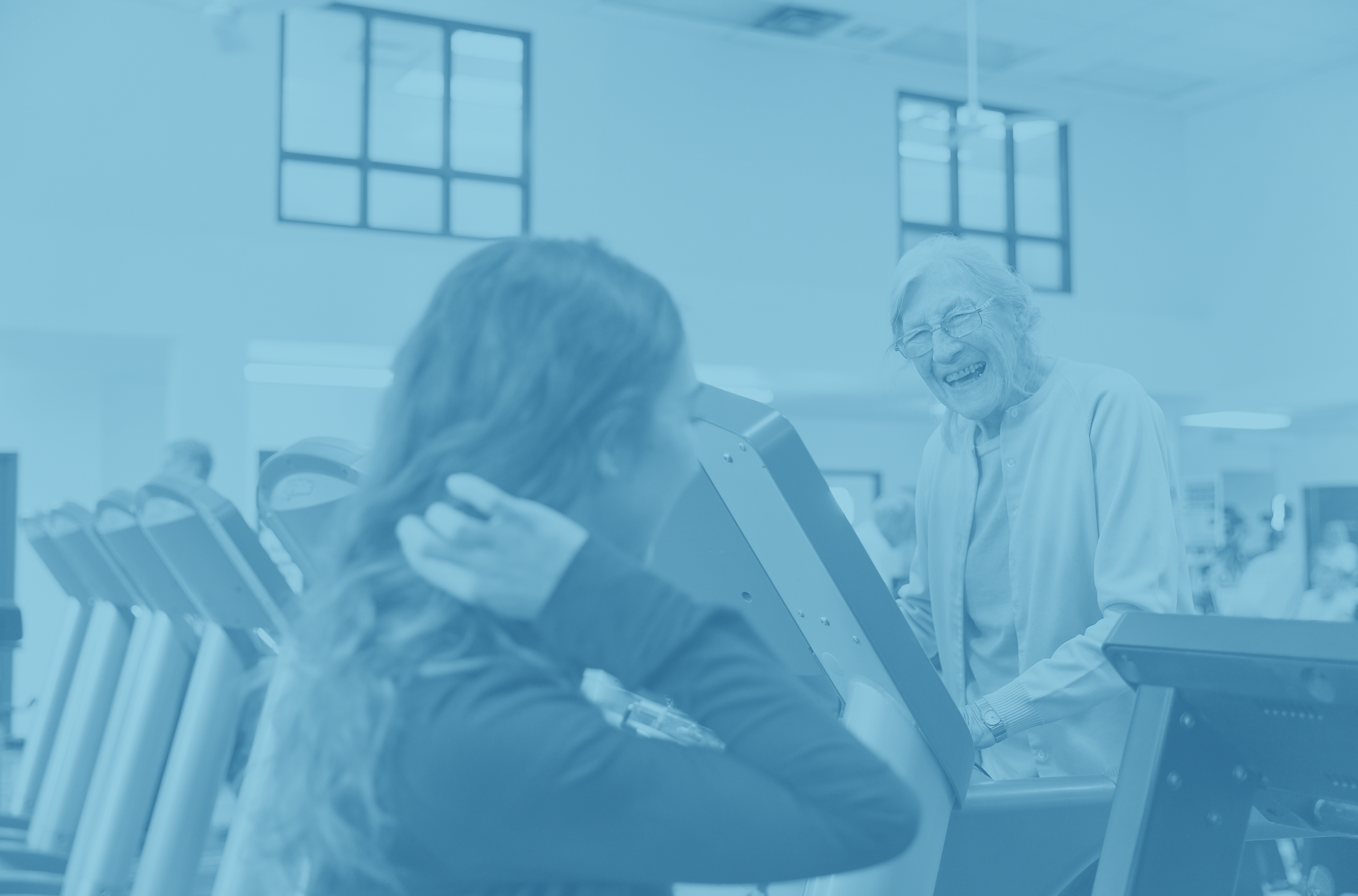
Guide to Experiential & Community Engaged Education Open PDF
This resource guide that has been created by the Ad Hoc Experiential Learning and Community Engagement Working Group, led by Dr.Kim Dej, Acting Vice-Provost and Professor Sheila Sammon, Director, Office of Community Engagement.